
HVAC
Air-handling systems, environmental control, pressure regimes, chilled-water interfaces, controls, testing, and project delivery.
ENGINEERING PORTFOLIO
Mechanical Engineer • Project Delivery • Technical Integration
Applied engineering experience across pharmaceutical, semiconductor, laboratory, utility, and infrastructure environments - from technical review through construction, commissioning, and practical delivery.
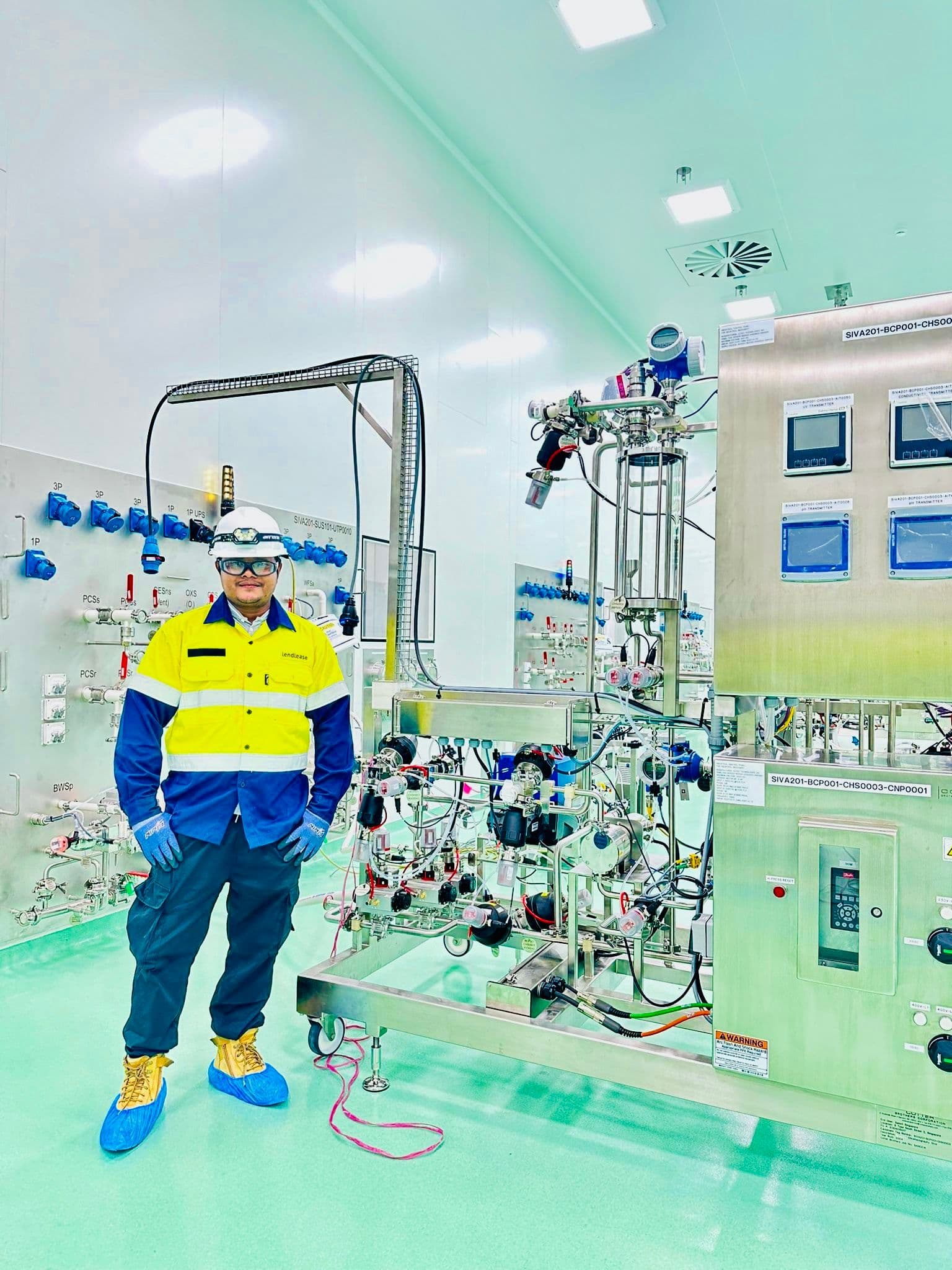
Design Review, Installations, coordination, Commissioning & Qualification, and Project delivery.

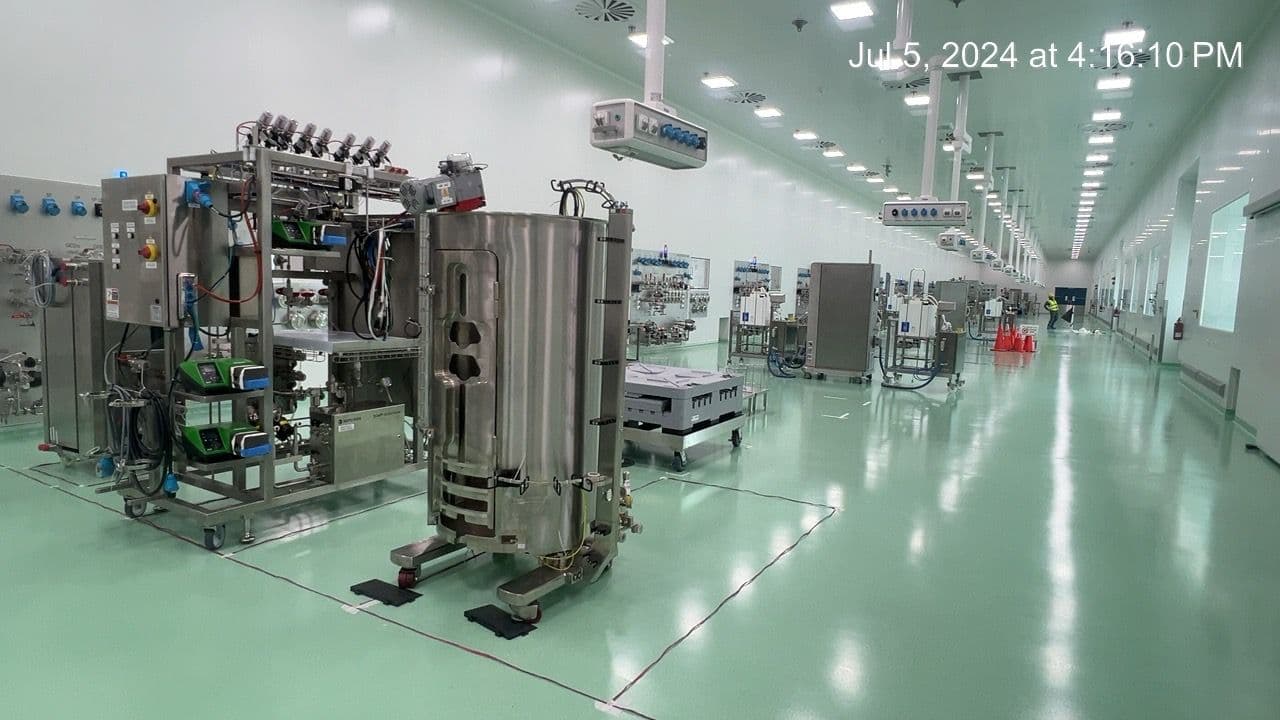
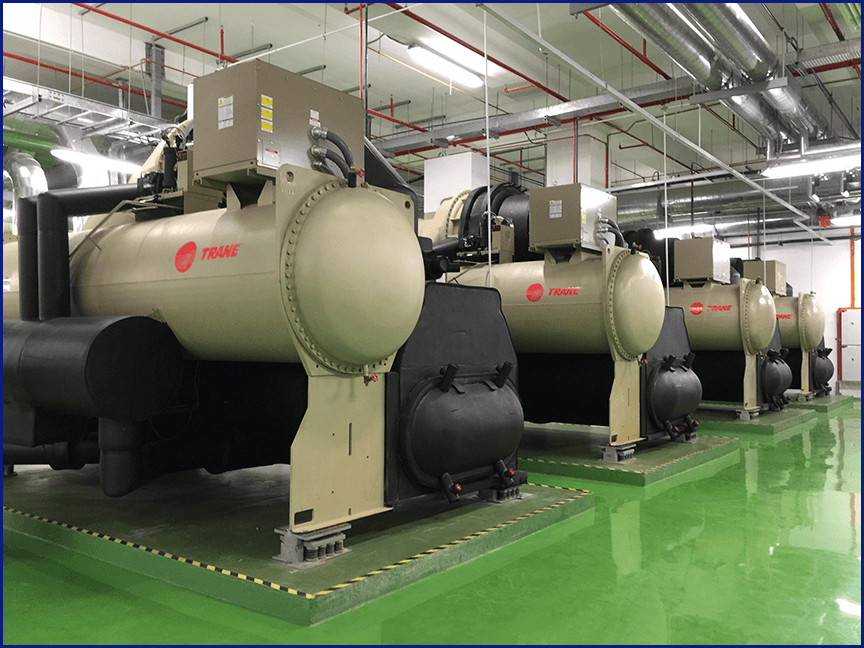
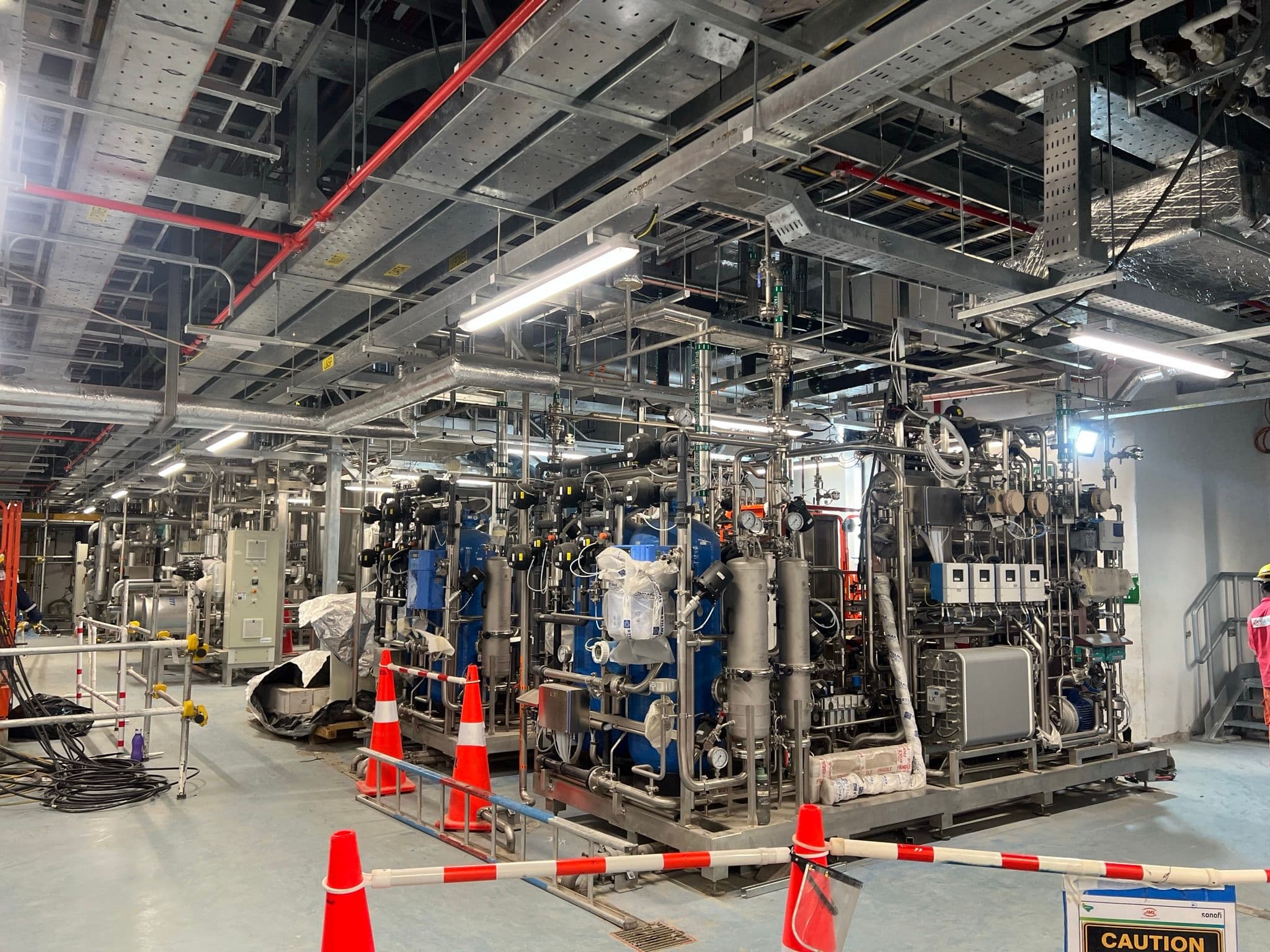
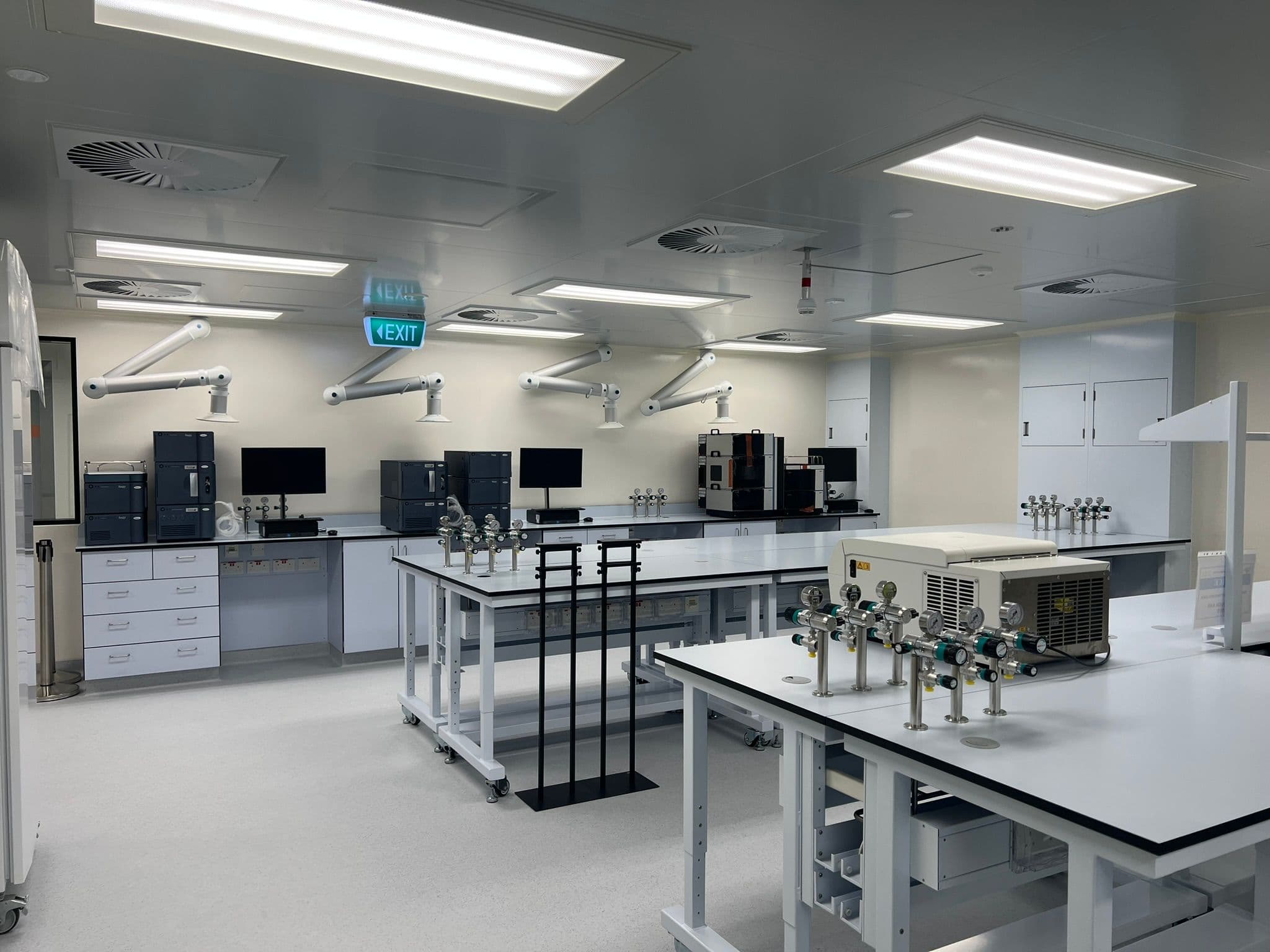
Explore applied technical and project-delivery experience across key engineering systems.
Air-handling systems, environmental control, pressure regimes, chilled-water interfaces, controls, testing, and project delivery.
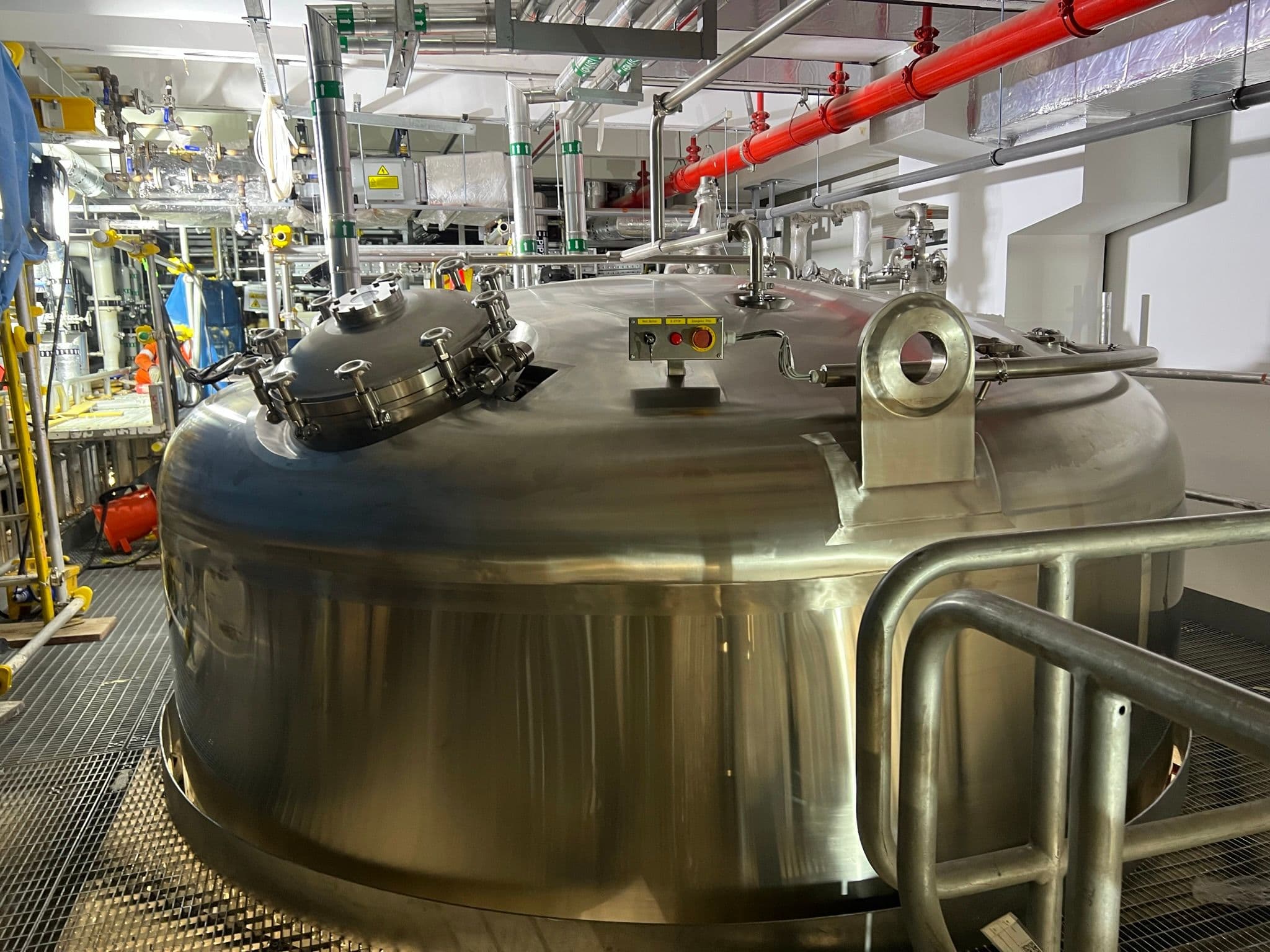
Purified water, WFI, CIP, process gases, steam, hygienic piping, utility panels, and system handover.
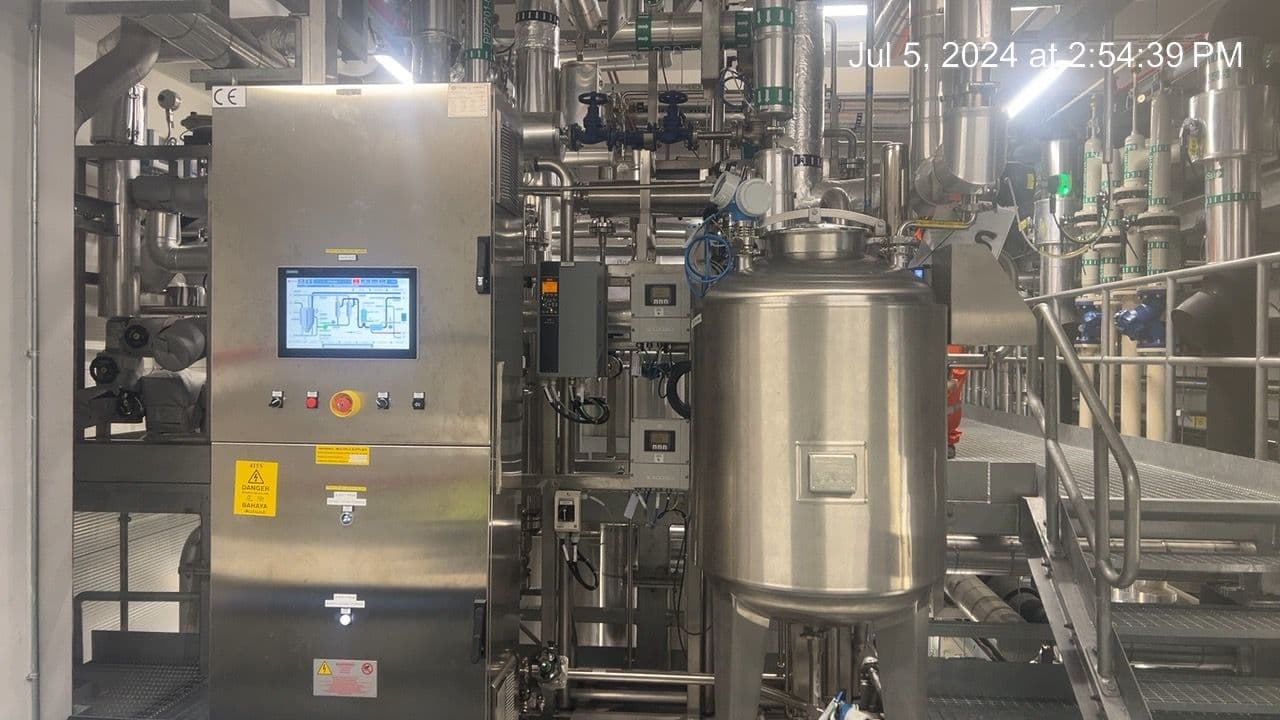
System readiness, functional testing, commissioning, qualification support, punch-list closure, and handover evidence.
Cleanroom environments, process-equipment integration, contamination-control interfaces, and project delivery.
Chilled-water system expansion, hydraulic assessment, equipment and piping interfaces, tie-in planning, commissioning, and handover.
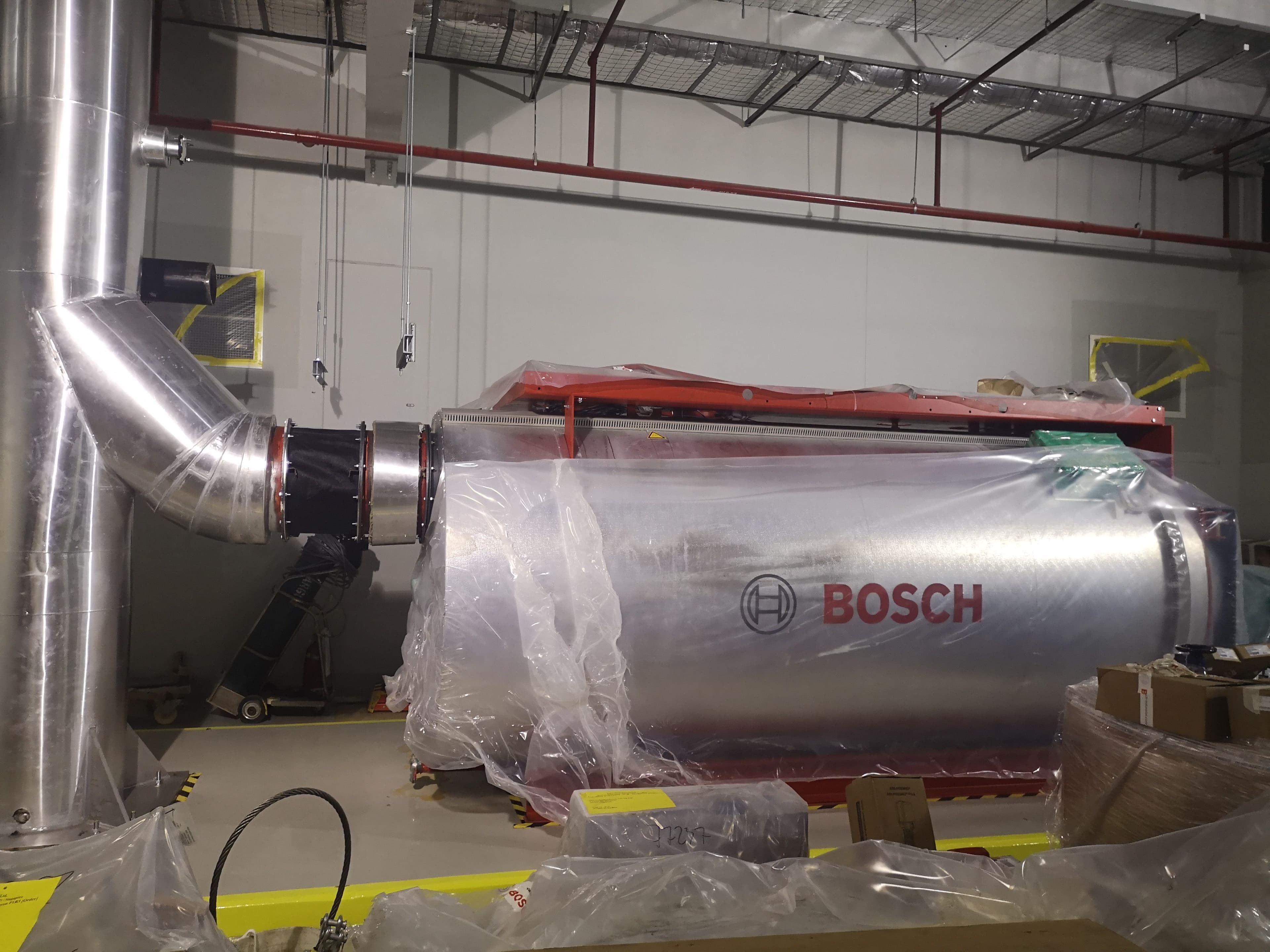
Boiler retrofit, hot-water distribution, live-plant tie-ins, lifting, hot tapping, and valve-station modifications.
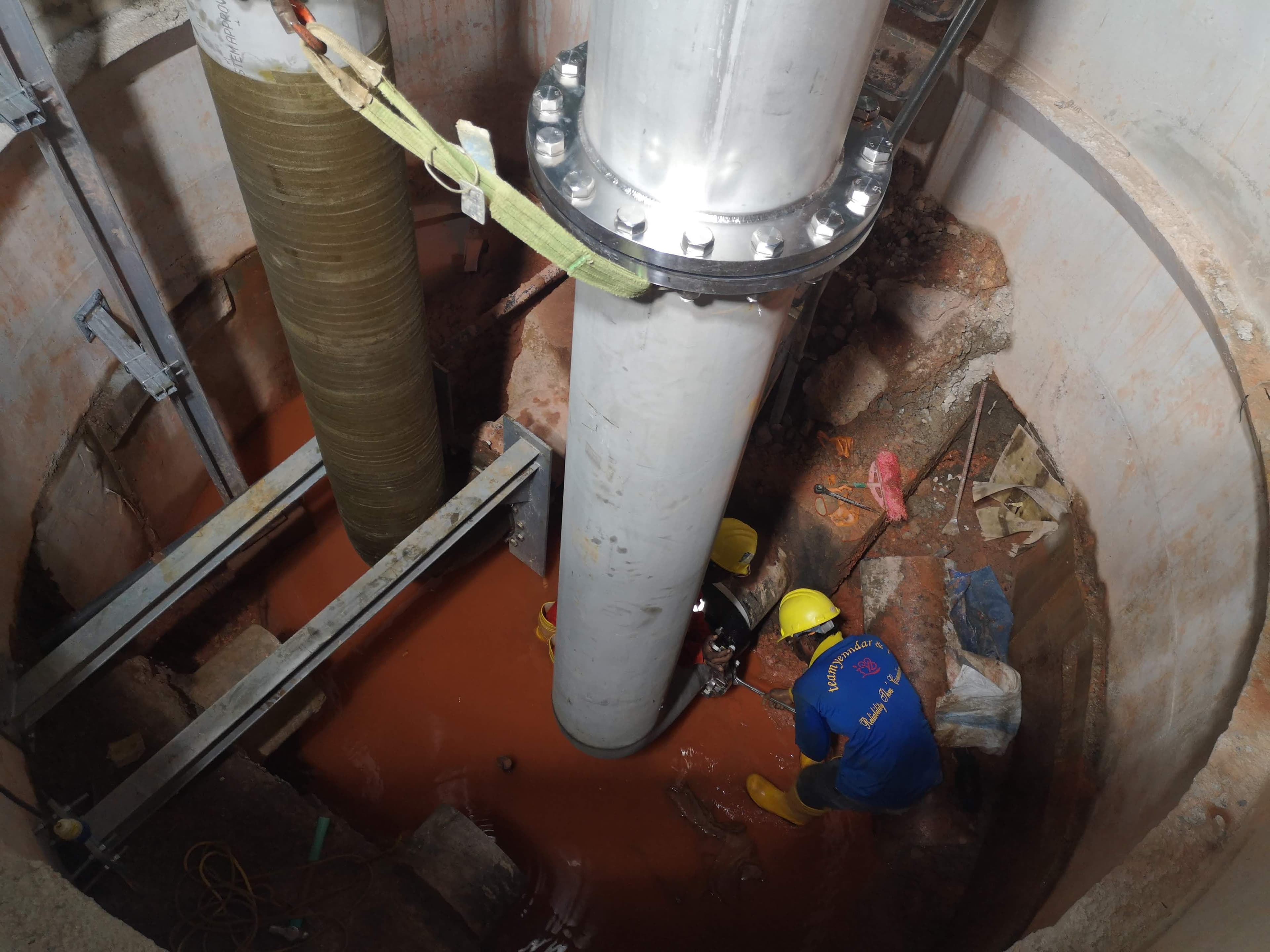
Live-facility modifications, shutdown planning, tie-in sequencing, risk coordination, and operational handover.
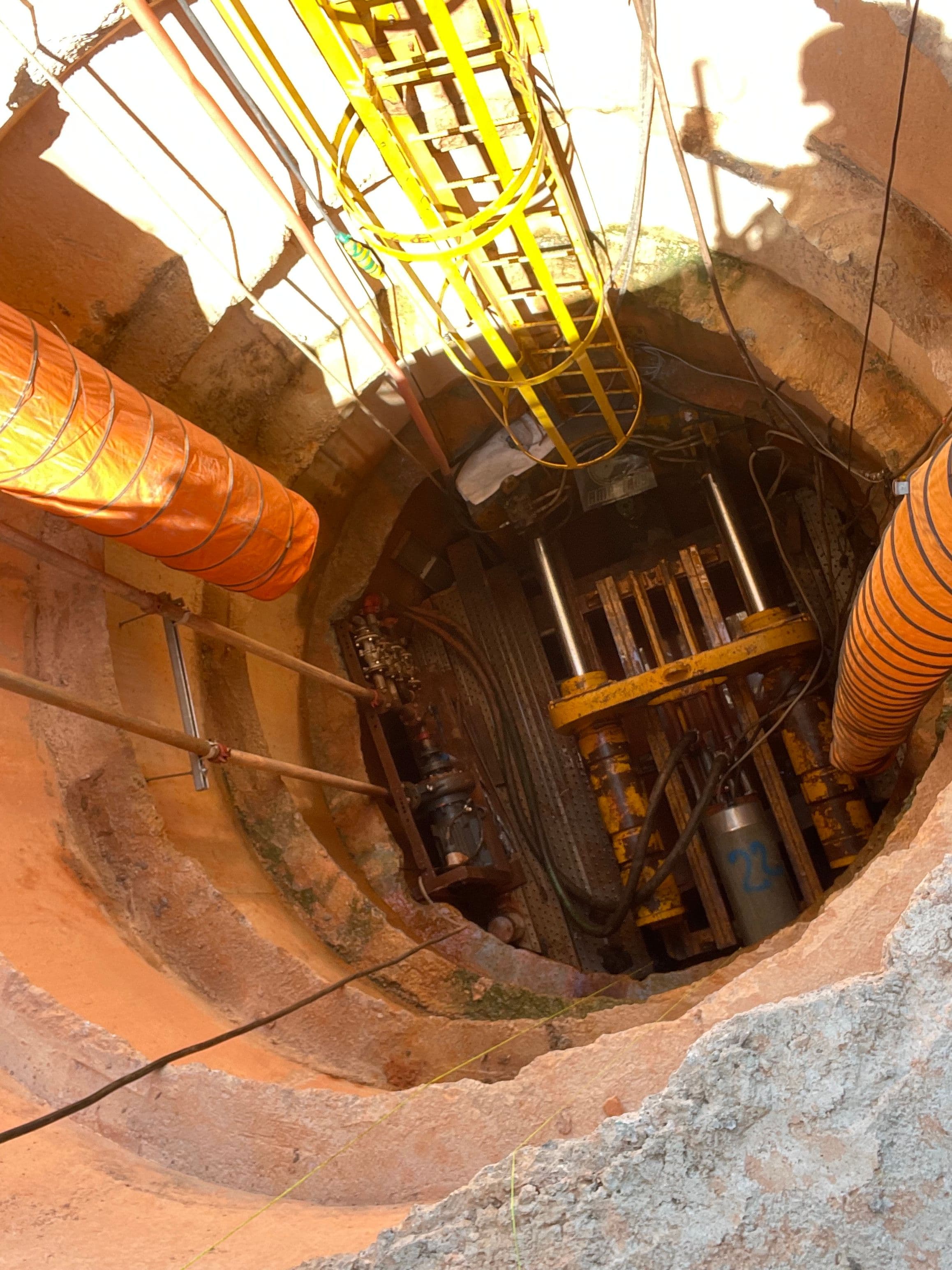
Underground utility routing, shaft works, TBM pipe jacking, temporary works, and construction coordination.
Selected challenges, technical decisions, anomalies, and lessons from system delivery.
BROWNFIELD INTEGRATION
Issue · The connection required confirmation of airflow capacity, balancing requirements, and shutdown sequencing.
Contribution · Reviewed existing conditions, interfaces, stakeholders, and execution requirements with the delivery team.
Outcome · The required actions, owners, and follow-through points were defined more clearly before execution.
CAPACITY ASSESSMENT
Issue · Additional AHU and MAU loads increased chilled-water flow demand on the existing distribution system.
Contribution · Reviewed demand, branch capacity, interfaces, control implications, and commissioning requirements.
Outcome · The capacity and integration risk became visible early enough to focus verification before execution.
RISK-BASED COMMISSIONING
Issue · The available FAT duration was insufficient to complete every contractual test, additional project-specific check, and site-dependent verification.
Contribution · Reviewed the vendor FAT protocol, design requirements, equipment interfaces, and proposed additional tests with the project team. Reasoning
Outcome · The FAT sequence became more focused, responsibilities were clearer, and critical equipment risks were addressed before shipment without losing traceability for deferred testing.
CONTROLS TROUBLESHOOTING
Issue · A spring-return actuator did not open the connected damper under the expected control command.
Contribution · Traced the command, power supply, spring-return action, linkage, and mechanical installation conditions.
Outcome · The anomaly was isolated and the follow-up retest could focus on the corrected interface.
CONTAMINATION CONTROL
Issue · A room-pressure setpoint could appear correct while the overall pressure regime remained unstable because of airflow imbalance, leakage paths, door movement, or adjacent-room conditions.
Contribution · Reviewed the relationship between supply, return, exhaust, transfer airflow, room leakage, controls, and adjacent pressure zones.
Outcome · The pressure-control review became more systematic, potential causes of instability were easier to identify, and balancing and commissioning actions could be directed toward the actual system interfaces.
BROWNFIELD INTEGRATION
Issue · The tie-in depended on accurate existing information, reliable isolation, access, permits, operating constraints, testing, and a safe restart sequence.
Contribution · Reviewed existing conditions, drawings, tie-in locations, shutdown activities, operational interfaces, and contingency requirements with the delivery team.
Outcome · The shutdown plan provided clearer readiness criteria, reduced uncertainty during execution, and improved coordination between construction, engineering, operations, and safety stakeholders.
From Technical Issue to Practical Action
Review drawings, operating data, specifications, requirements, and actual site conditions.
Confirm discrepancies, limitations, interface gaps, capacity concerns, and execution constraints.
Consider safety, compliance, constructability, operation, maintainability, schedule, and cost.
Align consultants, contractors, vendors, operations, QA, CQV, EHS, automation, and project teams.
Support installation, testing, commissioning, closeout, handover, and lessons learned.
Capabilities applied across engineering systems, project delivery, testing, commissioning, and brownfield integration.
Open to conversations related to project engineering, HVAC and cleanroom systems, utilities, commissioning, construction integration, and technical leadership roles.
Singapore-based • Available for professional opportunities and industry collaboration